


 简体中文
简体中文





-
องค์ประกอบของก๊าซไอเสียจากเตาอบโค้ก: คู่มือที่ขับเคลื่อนด้วยข้อมูลสำหรับการควบคุมการปล่อยมลพิษ
การทดสอบสแต็คสำหรับแบตเตอรี่เตาอบโค้กจะให้ บจก2 11.4% และ O2 2.8% ในรูปแบบแห้ง แต่ระบบบำบัดก๊าซไอเสียได้รับการออกแบบให้มี คาร์บอนไดออกไซด์ 9.0% และ O2 4.5% ตอนนี้ต้องปรับขนาดฟีดรีเอเจนต์และปริมาตรตัวเร่งปฏิกิริยา SCR เพิ่มขึ้น ส่งผลให้ระบบหยุดทำงานหลายสัปดาห์ ซึ่งเป็นค่...
-
เครื่องกรองฝุ่น Pulse Jet Baghouse บรรลุการทำงานอย่างต่อเนื่องในสภาพแวดล้อมทางอุตสาหกรรมที่มีความต้องการสูงได้อย่างไร
ระบบรวบรวมฝุ่นทางอุตสาหกรรมมีบทบาทสำคัญในการรักษาคุณภาพอากาศและการปฏิบัติตามกฎระเบียบด้านสิ่งแวดล้อมทั่วทั้งภาคการผลิต ในบรรดาเทคโนโลยีที่มีอยู่ เครื่องกรองฝุ่นแบบ แบ็กเฮาส์ แบบพัลส์เจ็ทได้กลายเป็นโซลูชันที่ต้องการสำหรับการใช้งานปริมาณมากและต่อเนื่องในโรงงานเหล็ก เตาเผา...
-
เครื่องฟอกกำจัดซัลเฟอร์ไดออกไซด์แบบเปียกควบคุมการปล่อย SO₂ ทางอุตสาหกรรมอย่างไร: เทคโนโลยี ประสิทธิภาพ และการคัดสรร
เครื่องฟอก FGD แบบเปียกคืออะไร? A เครื่องฟอกเปียก ออกแบบมาสำหรับการกำจัดซัลเฟอร์ไดออกไซด์ (FGD) เป็นอุปกรณ์ทางอุตสาหกรรมที่กำจัดซัลเฟอร์ไดออกไซด์ (SO2) และมลพิษที่เป็นอันตรายอื่น ๆ ออกจากกระแสก๊าซไอเสียก่อนที่จะเข้าสู่ชั้นบรรยากาศ ระบบเหล่านี้เป็นหนึ่งในเทค...
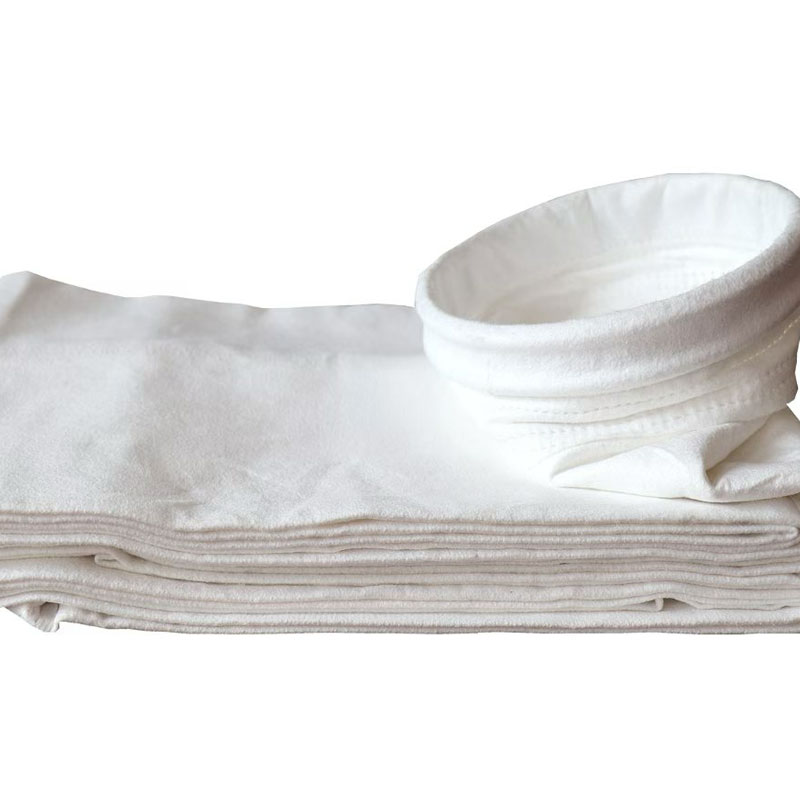
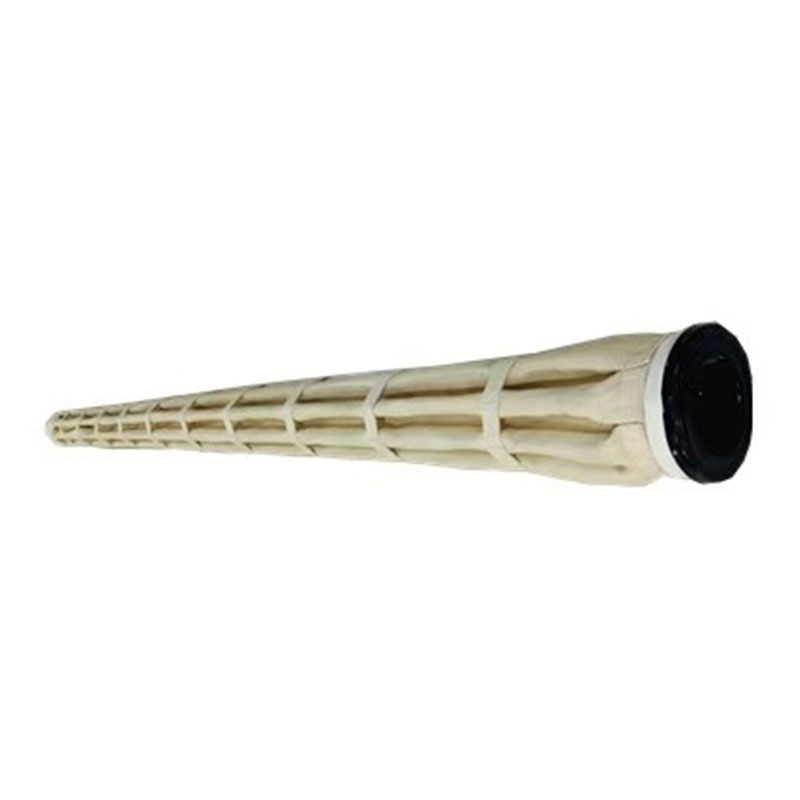
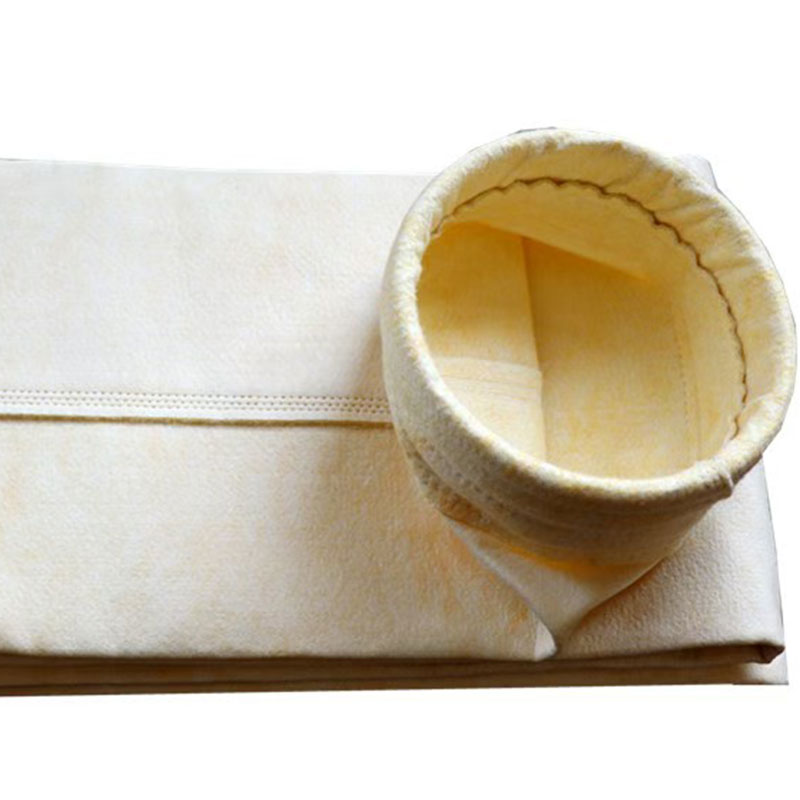
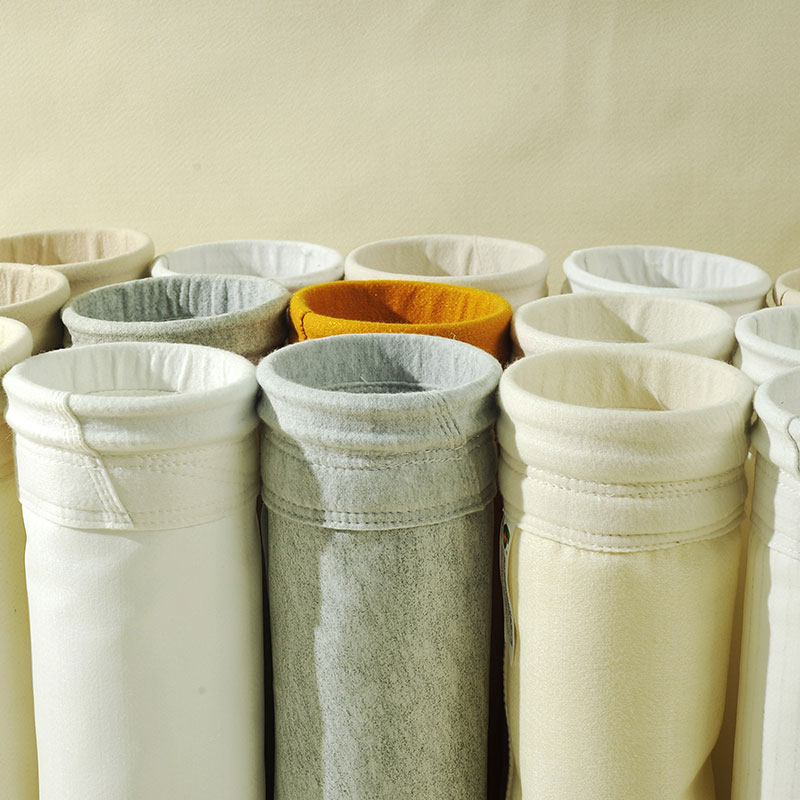
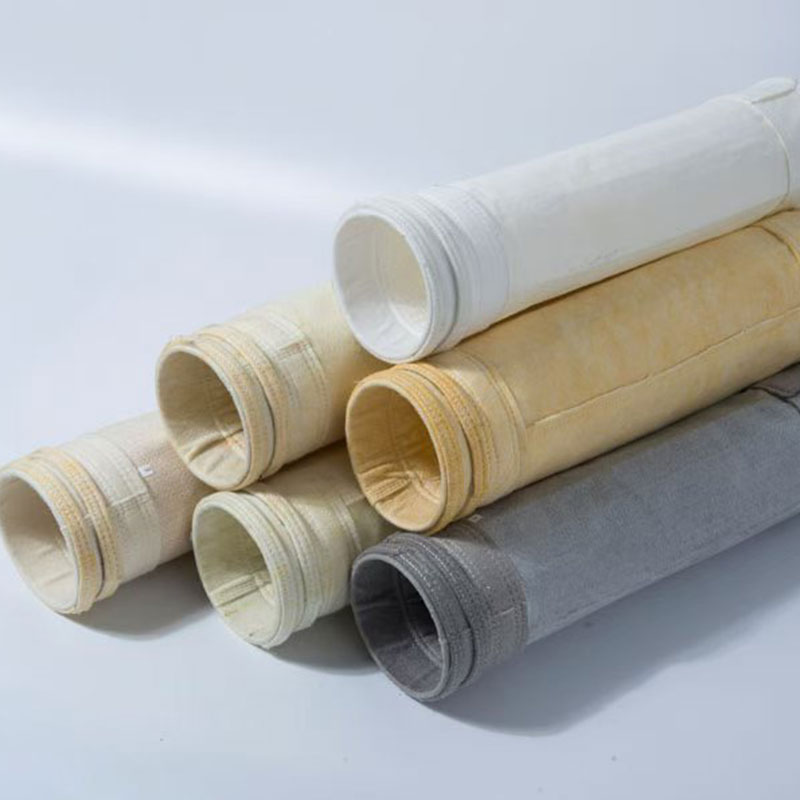
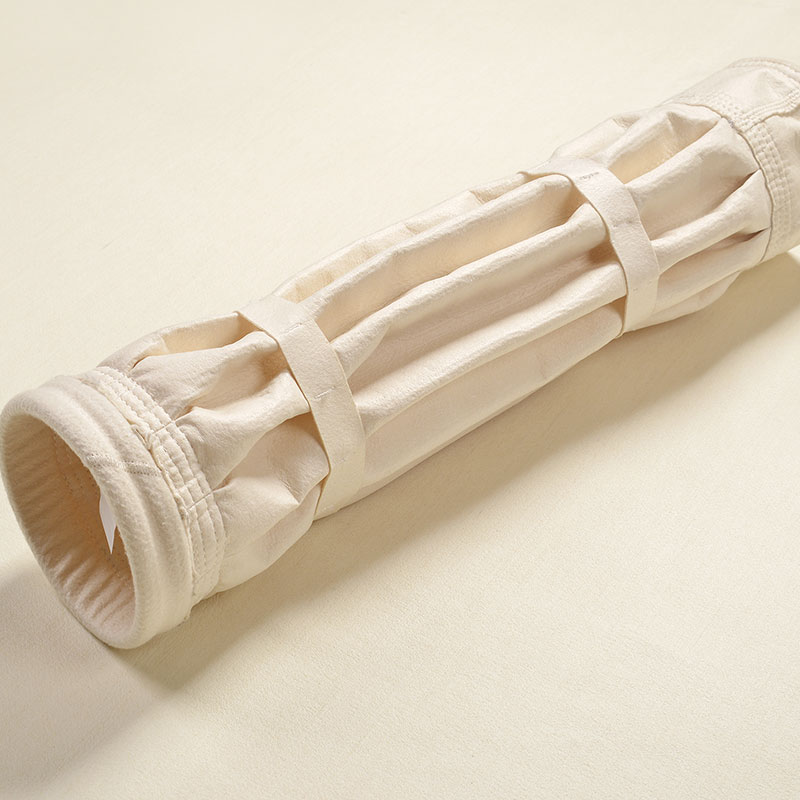
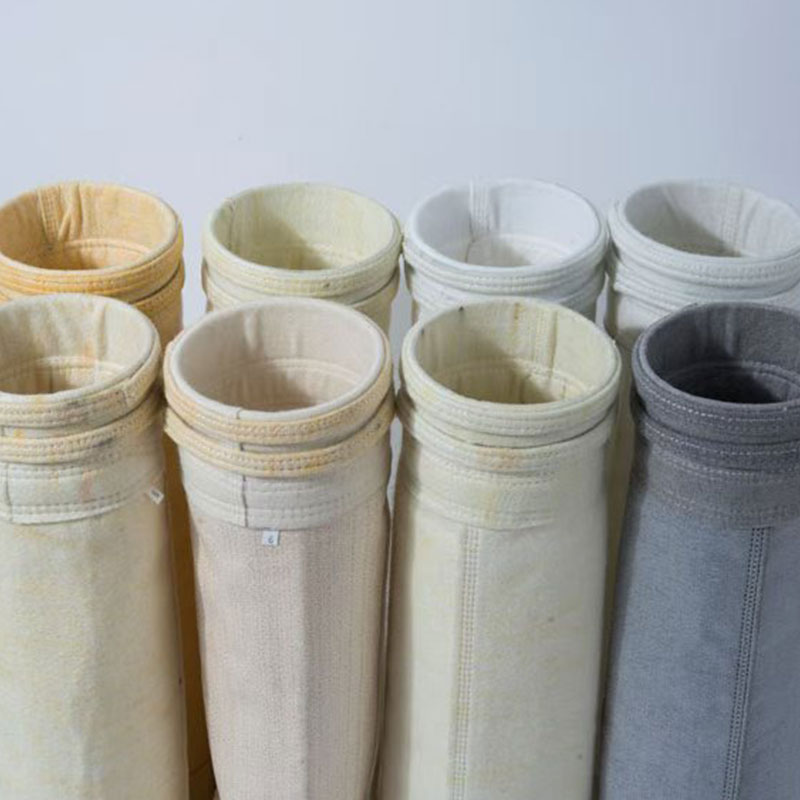
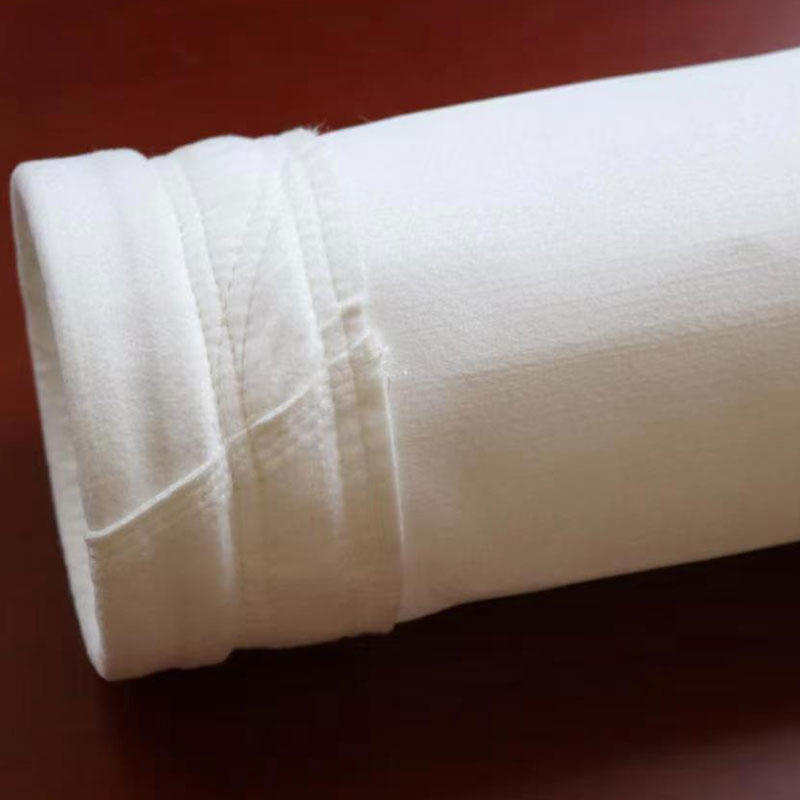
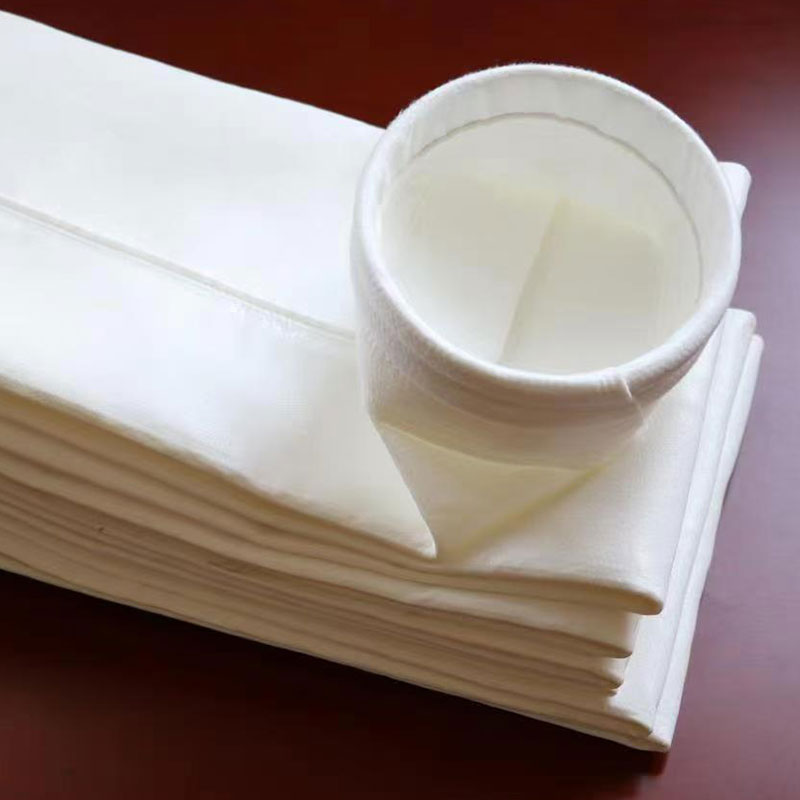
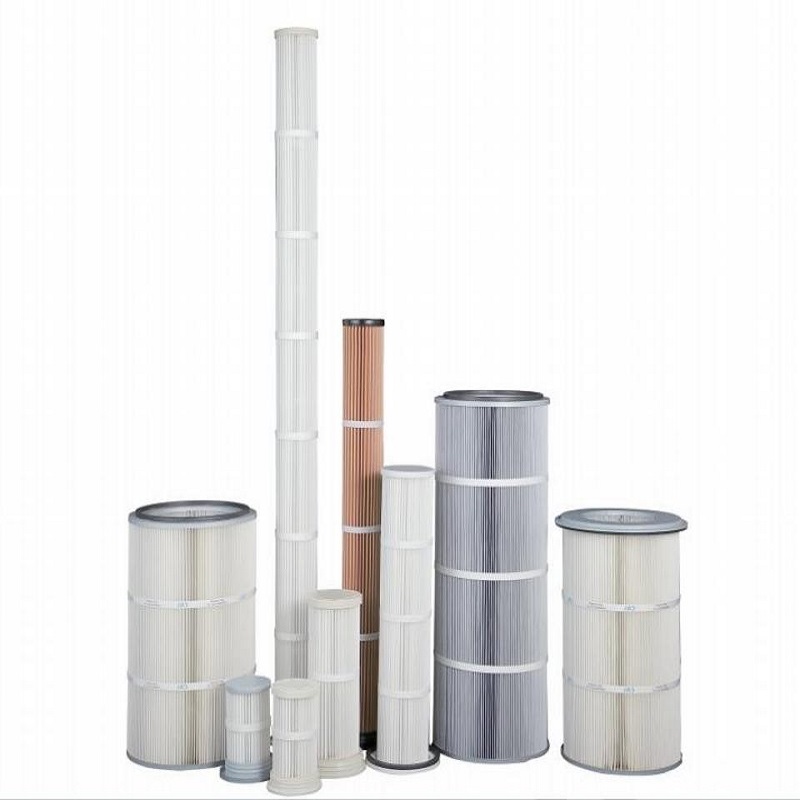
What’s the difference between woven and non-woven dust filter bags?
1. Introduction to Dust Filter Bags in Industrial Filtration
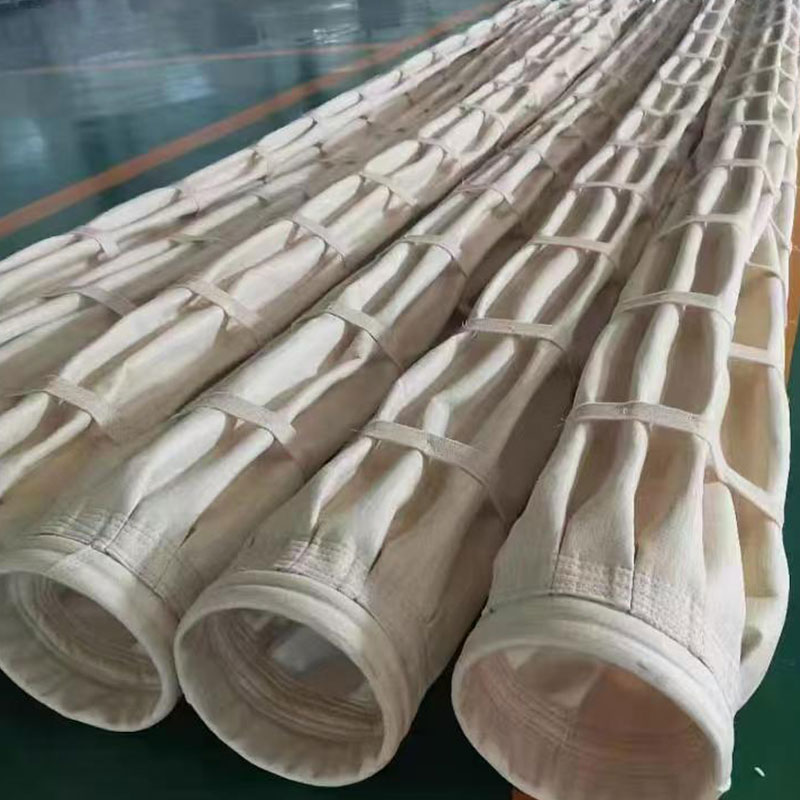
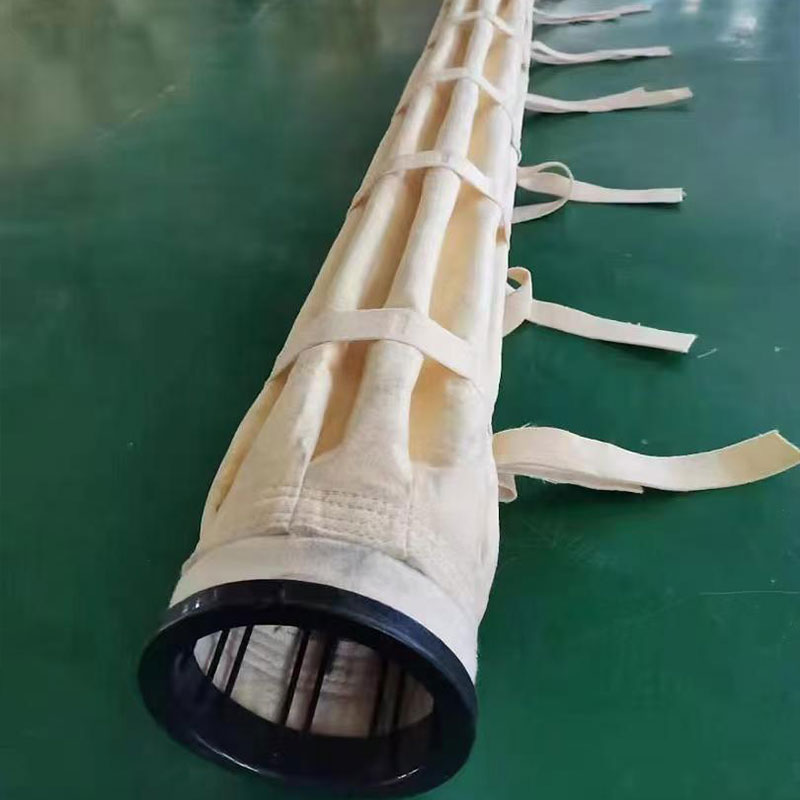
- Definition and role of dust filter bags in air pollution control systems.
- Overview of industrial applications (steel, cement, pharmaceuticals, etc.), aligning with Anhui Tiankang’s expertise in dust removal systems for sectors like steelmaking, foundries, and VOC treatment.
- Importance of material selection (woven vs. non-woven) for efficiency and compliance with environmental standards.
2. Woven Dust Filter Bags: Structure and Applications
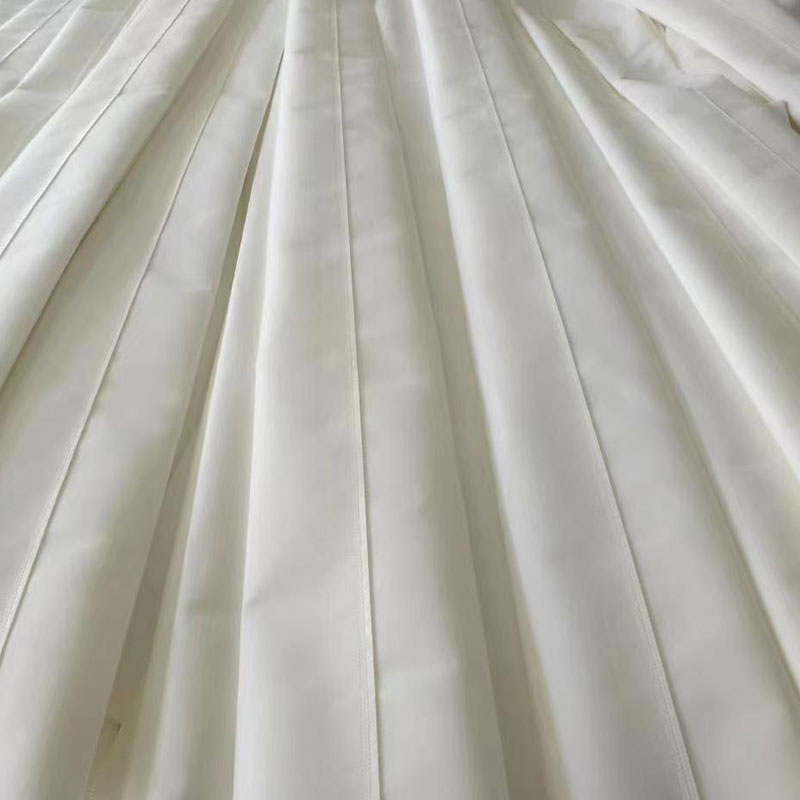
- Material Composition : Yarn types (e.g., polyester, PTFE), weaving techniques (plain, twill weave), and surface treatments (e.g., calendering).
- Performance Characteristics :
- High mechanical strength and temperature resistance.
- Ideal for heavy-load industries (e.g., steel industry sintering, blast furnace tapping hoods).
- Limitations : Lower fine-particle retention compared to non-woven alternatives.
3. Non-Woven Dust Filter Bags: Technology and Advantages
- Manufacturing Processes : Needle punching, meltblown, or spunbond methods.
- Key Properties :
- Superior filtration efficiency for submicron particles (critical for pharmaceutical or cement industries ).
- Flexibility in material blends (e.g., hybrid fibers for corrosive environments like non-ferrous smelting ).
- Trade-offs : Reduced durability under high abrasive conditions.
4. Comparative Analysis: Woven vs. Non-Woven
(Use a concise table for clarity, if needed)
| Parameter | Woven Dust Filter Bags | Non-Woven Dust Filter Bags |
|---|---|---|
| Filtration Efficiency | Moderate (10–50 µm) | High (<5 µm) |
| Temperature Range | Up to 280°C (PTFE) | Typically ≤150°C (varies by material) |
| Primary Use Cases | Heavy dust loads (e.g., steel slag treatment ) | Fine particulate (e.g., VOC systems ) |
5. Selection Criteria for Industrial Scenarios
- Factors influencing choice:
- Dust particle size (linked to Anhui Tiankang’s customized hood designs for electric furnaces or converters).
- Chemical resistance (e.g., acidic flue gases in desulfurization towers ).
- Operational lifespan and maintenance (e.g., ash conveying equipment compatibility).
- Emphasis on ISO-certified testing and patented technologies for optimal performance.
6. Innovations and Future Trends
-
Advances in hybrid materials (e.g., PTFE-coated woven bags) for flue gas denitrification .
-
Role of full-chain quality systems (R&D to delivery) in enhancing durability.
-
Summary of woven/non-woven distinctions.
-
Reiteration of dust filter bags as critical components in turnkey environmental projects , supported by engineering expertise like Anhui Tiankang’s integrated solutions .



- โทร: +86-0510-88766689
- วอทส์แอพพ์: +86-18115232326
- อีเมล: [email protected]
- Add: เขตอุตสาหกรรมเมือง Chengbei เขต Jin'an เมือง Lu'an มณฑลอันฮุย ประเทศจีน

